
ISO 26000 Guidance for Social Responsibility and ESG Alignment
ISO 26000 Guidance for Human Rights, Community Impact, and Ethical Business Practice
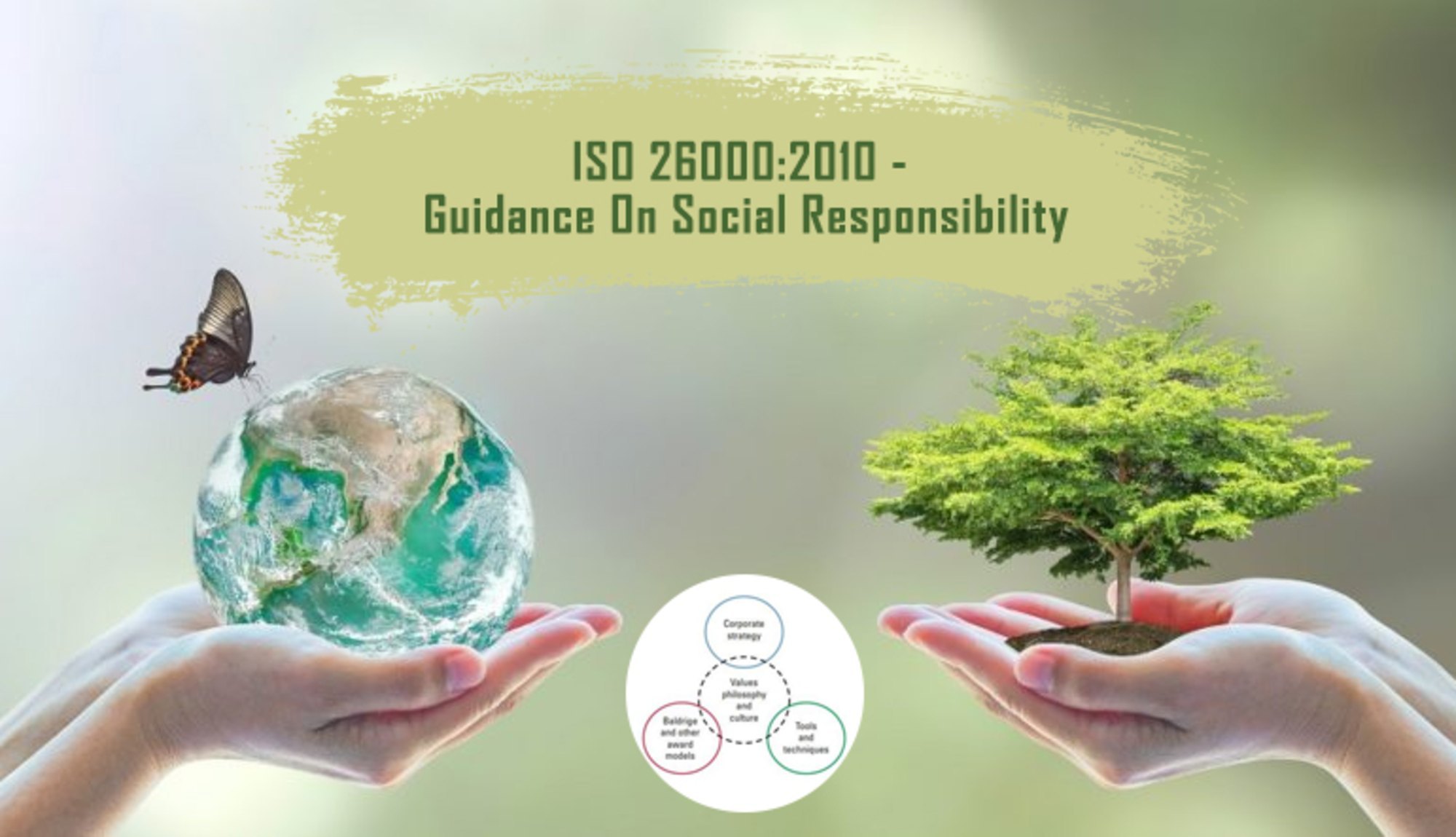
ISO 26000 helps organizations translate social responsibility into practical commitments across labor, ethics, procurement, community, and stakeholder engagement. Accredify Global reviews how your policies and programs align with the standard so leadership can demonstrate meaningful ESG direction rather than broad claims.
Where ISO 26000 Helps Organizations
This guidance matters when leadership wants responsibility commitments to reach supply chains, people practices, and community decisions.
Human Rights and Labor Practices
Policies on working conditions, equality, and responsible employment need visible governance and accountability.
Ethical Supply Chain Conduct
Organizations increasingly need to show how they screen suppliers for labor, ethics, and sustainability expectations.
Community Investment and Engagement
Companies that invest locally want structured programs with measurable social value and feedback loops.
Anti-Corruption and Governance
Governance teams need clarity on ethics, transparency, and the behavior expected across the business.
ESG Reporting and Material Issues
Sustainability teams need a framework that supports disclosures, priorities, and stakeholder scrutiny.
Stakeholder Dialogue and Grievance Handling
Good social responsibility requires a way to hear concerns and respond to them consistently.
How ISO 26000 Guidance Works
ISO 26000 is guidance rather than a certifiable management system, so the review focuses on how your commitments are defined, applied, and reported.
- Phase 1: Scope review, stakeholder mapping, and current practice assessment
- Phase 2: Stage 1 review of policies, ethics, people, and community controls
- Phase 3: Stage 2 review of implementation evidence across business functions
- Phase 4: Guidance findings and improvement roadmap
- Phase 5: Follow-up review to support continued ESG maturity
Typical Timeline
- 4-6 weeks: organizations with existing ESG and ethics programs
- 6-8 weeks: teams formalizing responsibility and stakeholder structures
- 8-10 weeks: larger groups with global supply chain and community complexity
Why Accredify Global
- Independent review of social responsibility and ESG governance
- Practical guidance that links policies to what happens in the organization
- Structured assessment of ethics, community, and stakeholder controls
- Outputs useful for leadership reporting and ESG roadmap planning
What You Receive
- ISO 26000 guidance review for the defined organization scope
- Assessment notes covering responsibility gaps and action priorities
- Evidence for ESG reporting, board review, and stakeholder communication
- Improvement roadmap for ongoing social responsibility maturity
Start Your ISO 26000 Social Responsibility Journey
Share your ESG priorities, stakeholder concerns, and social responsibility goals. We will shape the review around your organization.
What Happens Next?
Our certification process is transparent, structured, and results-driven.
1. Scope Review
We review your operational scope and requirements
2. Audit Planning
We recommend certification path and audit timeline
3. Proposal & Agreement
You receive proposal, pricing, and initiate engagement
4. Audit Execution
We conduct Stage 1 and Stage 2 audits and issue certificate
Related Compliance and Frameworks
When Do Organizations Need ISO 26000 Social Responsibility Guidance?
Most teams begin when customer contracts, procurement reviews, or market expansion requires formal third-party certification.
Contract Requirement
Enterprise clients request recognized certification before onboarding or renewal.
Tender Qualification
RFP and government bids require independent certification evidence.
Market Expansion
New geographies and industries require stronger trust and compliance proof.
Audit Readiness
Leadership needs structured audits, predictable timelines, and objective decisions.
Typical Timeline
Certification timelines are usually in the 6-12 week range depending on readiness, scope complexity, and evidence maturity.
Why Accredify Global
- Independent certification body approach
- Structured audit planning and communication
- Global certification support and recognition
- Buyer-ready certification documentation
PDCA Cycle | Accredify Global
- Plan – to think that what do we need to achieve in our organization
- Do – to execute a planned action which will help us achieve the required objective
- Check – monitor against the standards) (policies, objectives, requirements)
- Action – finally implementing what has been rechecked.