ISO 22000:2018 Certification - Food Safety Management System (FSMS) |Accredify Global

ISO 22000:2018 Certification - Food Safety Management System (FSMS) |Accredify Global

Evolution of ISO 22000:2018 Certification

ISO 22000:2018 is the international standard for food safety management systems (FSMS). It was developed by the International Organization for Standardization (ISO) to provide a globally accepted framework for ensuring food safety. Since its publication, ISO 22000:2018 has become a critical standard for organizations in the food industry seeking to demonstrate their commitment to food safety and quality.

What is ISO 22000:2018 - Food Safety Management System?

ISO 22000:2018 – Food Safety Management Systems – FSMS is a Management Systems cerification for organisations involved in the production, processing, packaging and transport or distribution of food products.
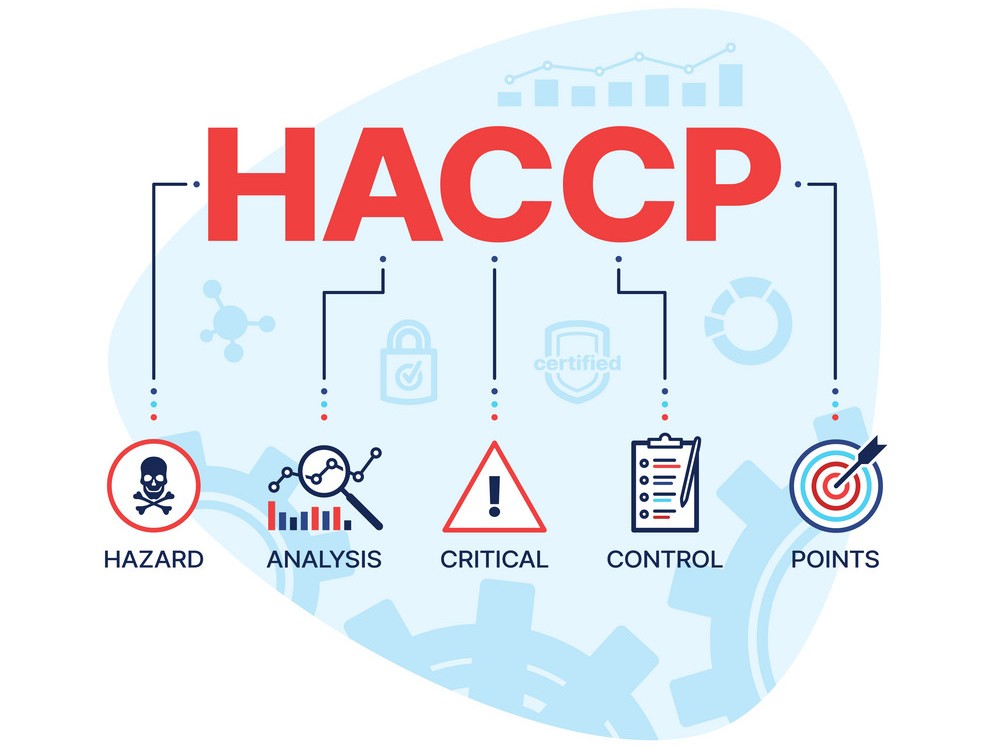
ISO 22000 is an international standard that specifies the requirements for Hazard Analysis Critical Control Point - HACCP food safety management systems in organisations involved in the production, processing, packaging and transport or distribution of food products. This type of certification is suited to businesses which require international recognition of their food safety management system.
ISO 22000 integrates the principles of HACCP developed by the Codex, Alimentarius Commission and described in Hazard Analysis Critical Control Point - HACCP System and Guidelines for its Application, with prerequisite programs (PRPs), into an auditable management system standard.
ISO 22000:2018 specifies requirements for a FSMS that combines generally recognized key elements to ensure food safety along the food chain, including:

  • Interactive communication.
  • System management.
  • Prerequisite programs.
  • HACCP principles.

Who Needs ISO 22000 Certification?

Any organization involved in the food supply chain, regardless of size or complexity, can benefit from ISO 22000 certification. This includes food manufacturers, processors, distributors, retailers, and service providers.

Importance of ISO 22000:2018 Certification

ISO 22000:2018 certification demonstrates an organization's commitment to food safety and quality. It helps reduce foodborne hazards, enhance compliance with regulatory requirements, and improve overall business performance. Certification can also boost stakeholder confidence and enhance the organization's reputation.

ISO 22000:2018 Food Safety Management System and Its Major Aspects in a Business

ISO 22000:2018 covers various aspects of food safety management, including:

  • Hazard Analysis and Critical Control Points (HACCP): Identifying and controlling food safety hazards.
  • Interactive Communication: Ensuring effective communication along the food chain.
  • System Management: Integrating food safety management into the organization's overall management system.
  • Prerequisite Programs (PRPs): Establishing basic conditions and activities necessary for food safety.

The Principles of ISO 22000 Certification

  • Focus on Food Safety
  • Analysis of Food Safety Hazards & Critical Control Points.
  • Tracking & Monitoring of Food Supply Chain
  • Business Leadership: Helping you and your business
  • Information to People about Food Safety
  • Process Approach
  • System Approach to Management
  • Continual Improvement in Food Safety Management
  • Database Approach to Decision Making
  • Mutually Beneficial Supplier Relationship

Checklist for ISO 45001:2018 Certification

  1. Conduct a gap analysis.
  2. Develop a food safety policy.
  3. Identify and assess food safety hazards.
  4. Establish food safety objectives and programs.
  5. Implement control measures.
  6. Train employees.
  7. Monitor and measure performance.
  8. Conduct internal audits.
  9. Review and improve the FSMS.

Is ISO 22000 Certification Mandatory or a Legal Requirement?

ISO 22000 certification is not mandatory but is highly recommended for organizations seeking to improve their food safety performance. It helps ensure compliance with regulatory requirements and demonstrates a commitment to food safety.

Services

ISO 7101:2023 –Healthcare Quality Management System (HQMS ISO 9001:2015 –Quality Management (QMS) ISO 14001:2015 –Environmental Management(EMS) ISO 21001:2018 –Educational Organizations Management System (EOMS) ISO/IEC 27001:2022 –Information Security Management (ISMS) ISO/IEC 20000-1:2018 –IT Service Management (ITSM) ISO/IEC 42001:2023 –Artificial Intelligence Management System (AIMS) ISO/IEC 27701:2019 –Privacy Information Management (PIMS) ISO 45001:2018 –Occupational Health & Safety (OHS) ISO 22000:2018 –Food Safety Management (FSMS) ISO 50001:2018 –Energy Management (EnMS) ISO 13485:2016 –Medical Device Quality Management (MDMS) Certification Process Accredited Management System Process (AMSP) Complaint & Appeals Impartiality Policy Confidentiality & COI IMS (Integrated Management System) Policy Rules for Logo Use CE Marking & Product Certification HACCP (Codex 2023) – Hazard Analysis and Critical Control Points GMP (Updated 2023) – Good Manufacturing Practice Inspection and Testing General Data Protection Regulation (GDPR) Human Health Care HIPAA Compliance Certification Health Information Trust Alliance (HITRUST) System and Organization Controls (SOC) CMMI (Capability Maturity Model Integration) Vulnerability Assessment and Penetration Testing (VAPT) Payment Card Industry Data Security Standard (PCI DSS) Cyber Security Service ISO CEN/TS 16555-1:2013 - Innovation ISO/IEC 22301:2019 –Business Continuity Management (BCMS) ISO 44001:2017 – Collaborative Business Relationship ISO/IEC 17025:2017 –Testing & Calibration Laboratories ISO 20121:2012 – Sustainable Events Management ISO 41001:2018 - Facility Management ISO 55001:2014 – Asset Management System ISO 31000:2018 – Risk Management ISO 30301:2019 – Records Management System ISO 21001:2018 –Educational Organizations Management ISO/TS 16949:2016 –Automotive Quality Management ISO 21434:2021 –Automotive Cybersecurity Compliance AS 9100D:2016 – Aerospace Quality Management ISO 10002:2014 - Customer Complaint ISO 18788:2015 - Security Operation ISO 39001:2012 - Road Safety ISO 29001:2010 - QMS:Oil & Gas ISO 37001:2016 – Anti-Bribery Management System ISO 19650:2018 – Building Information Modeling (BIM) ISO 10004:2012 - Customer Satisfaction ISO 26000:2010 – Social Responsibility ISO 13485:2016 -Medical Device ISO 15189:2022 – Medical Laboratory ISO 22716:2007 – Good Manufacturing Practices (GMP) for Cosmetics

Benefits of ISO 22000 Certification

  • Reduced Foodborne Hazards: Reduces food safety incidents by up to 50%.
  • Enhanced Compliance: Ensures adherence to regulatory requirements, reducing legal liabilities by 30%.
  • Increased Customer Confidence: Demonstrates commitment to food safety, resulting in a 20% increase in customer trust.
  • Improved Market Access: Certification opens up new market opportunities, increasing market share by 15%.
  • Operational Efficiency: Streamlined processes lead to a 10% increase in operational efficiency.
  • Cost Savings: Reduced recalls and waste, leading to a 25% reduction in associated costs.

Requirements of ISO 22000 Certification

To achieve ISO 45001 certification, businesses must::

  1. Food Safety Policy: A clear policy outlining the organization's commitment to food safety.
  2. Hazard Analysis and Critical Control Points (HACCP): Identifying and controlling food safety hazards.
  3. Objectives and Programs: Setting and achieving food safety goals.
  4. Training and Awareness: Educating employees on food safety practices.
  5. Monitoring and Measurement: Tracking food safety performance.
  6. Internal Audits: Regularly reviewing the FSMS.
  7. Management Review: Top management's involvement in reviewing and improving food safety performance.

Cost of ISO 27001 Certification

The cost of certification varies based on:

  • Organization size and complexity.
  • Industry sector and regulatory requirements.
  • Certification body and audit fees.
  • Effective internal audits and corrective actions.

PDCA Cycle | Accredify Global

  • Plan – to think that what do we need to achieve in our organization
  • Do – to execute a planned action which will help us achieve the required objective
  • Check – monitor against the standards) (policies, objectives, requirements)
  • Action – finally implementing what has been rechecked.

ISO CERTIFICATION. 3 STEPS. 30 DAYS. DONE !! | ACCREDIFY GLOBAL

Accredify Global, we follow a structured and transparent ISO certification process to help businesses achieve international compliance efficiently. Our streamlined approach ensures a hassle-free experience from initial consultation to final certification..

1. Application & Readiness Review

  • Objective: Review the certification application, confirm scope, and evaluate management system documentation and implementation status against the applicable ISO standard requirements.
  • Activities:
    • Review documented information and implemented processes.
    • Assess operational preparedness and site-specific conditions.
    • Confirm certification scope, audit duration, and audit program planning.
    • Identify any areas requiring clarification prior to the certification audit.
  • Outcome: Confirmation of readiness and formal audit plan for the certification audit.

2. Certification Audit

  • Objective: Independently assess your management system against the applicable ISO standard requirements.
  • Activities:
    • Conduct on-site or remote audit of documented information and implemented processes.
    • Interview personnel and observe operational activities.
    • Evaluate effectiveness and compliance of the management system.
    • Identify nonconformities or observations, if applicable.
  • Outcome: Audit report detailing findings and corrective action requirements (if applicable).

3. Certification Decision & Issuance

  • Objective: Review audit results and make an impartial certification decision.
  • Activities:
    • Independent technical review of audit documentation.
    • Verification of corrective actions, if applicable.
    • Certification approval by authorized decision-maker.
  • Outcome: ISO Certificate issued (valid for three years, subject to periodic surveillance audits).

Frequently Asked Questions (FAQs) about ISO 45001 Certification - Occupational Health and Safety Management Systems (OHSMS)

Question : What is ISO 22000:2018?

Answer: A: ISO 22000:2018 is an international standard for food safety management systems.

Question : Is ISO 22000 certification mandatory?

Answer: No, but it is highly recommended for improving food safety performance.

Question : How long does it take to get certified?

Answer : The certification process can take several months, depending on the organization's readiness.

Question : What are the benefits of ISO 22000 certification?

Answer: Benefits include reduced foodborne hazards, enhanced compliance, increased customer confidence, improved market access, operational efficiency, and cost savings.

Question : How does Accredify Global support ISO 22000 certification?

Answer: Accredify Global provides comprehensive support, including gap analysis, training, and auditing services. Our experienced team ensures a smooth certification process and ongoing compliance.